Introduction: Transform Your Television Into a Smarter Entertainment Hub
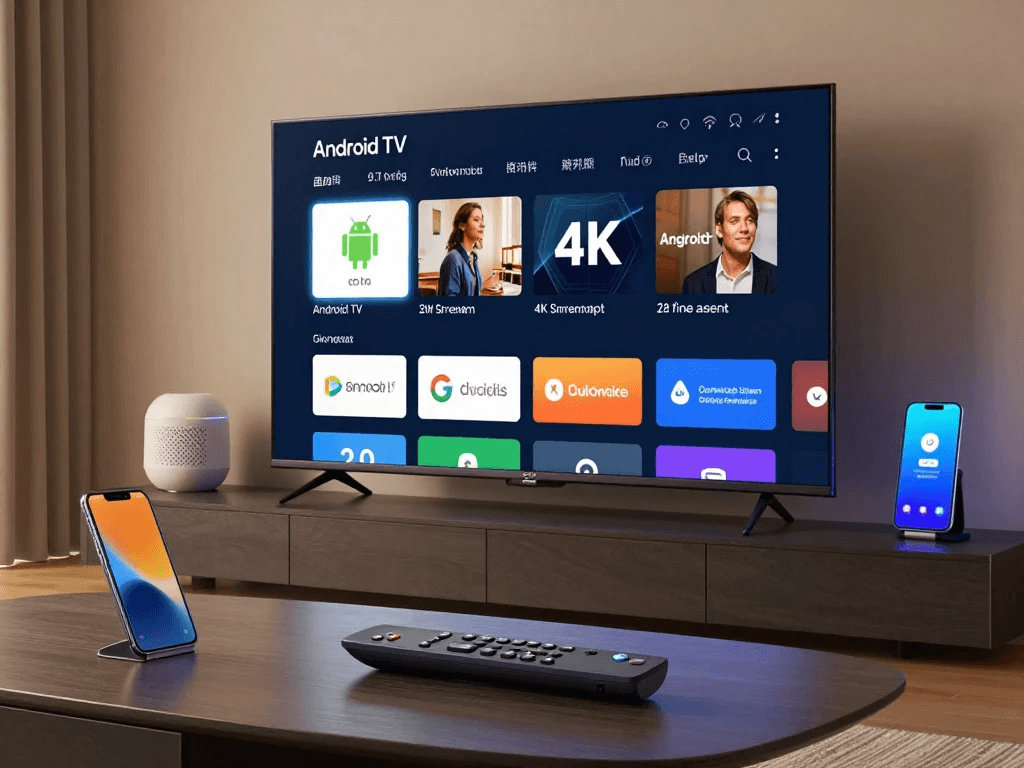
There was a time when watching television meant simply turning on a cable box and browsing through a limited number of channels. Today, your TV can do much more. With the right Android TV setup, you can stream your favorite movies, enjoy live sports, listen to music, play games, control smart home devices, and access thousands of apps from one convenient screen. Whether you have purchased a new Android TV, upgraded to an Android TV box, or are trying to improve your existing setup, the process can feel confusing at first. The good news is that setting up Android TV is easier than many people expect when you understand each step.
Your Android TV is designed to bring personalized entertainment directly to your living room. Instead of switching between multiple devices, you can use a single platform to manage streaming services, applications, subscriptions, and smart features. From popular streaming platforms like Netflix and YouTube to voice commands powered by Google Assistant, Android TV puts control in your hands. However, getting the best experience requires more than simply plugging in your device. Proper configuration, network optimization, account setup, and personalization all play important roles in creating a smooth entertainment experience.
In this complete Android TV setup guide, you will learn everything you need to know about installing, configuring, and optimizing your device. You will discover how to connect your Android TV to the internet, sign in with your Google account, install essential apps, adjust picture and sound settings, improve performance, and troubleshoot common problems. Whether you are a beginner setting up your first smart TV or an experienced user looking for advanced tips, this guide will help you get the most from your Android TV.
By the end of this article, you will have a fully optimized Android TV experience designed around your preferences. Instead of dealing with confusing menus or technical problems, you will be able to sit back, relax, and enjoy seamless entertainment whenever you turn on your television.
Table of Contents
Understanding Android TV Before Starting Your Setup
Before beginning your Android TV setup, it is helpful to understand exactly what Android TV is and how it works. Android TV is a smart television operating system developed by Google that allows televisions and streaming devices to provide access to online content, applications, games, and connected services. Unlike traditional televisions that rely mainly on cable or satellite connections, Android TV connects to the internet and gives you access to a wide digital ecosystem.
Android TV is available in different forms. Many modern smart TVs come with Android TV built directly into the television system, meaning you do not need additional hardware. Other users may purchase external streaming devices, such as Android TV boxes or streaming sticks, that connect through an HDMI port. These external devices can upgrade older televisions by adding smart features without requiring a complete TV replacement.
One of the biggest advantages of Android TV is its integration with Google services. Once you complete your Android TV installation, you can use your Google account to download applications, synchronize preferences, access personalized recommendations, and control your device using voice commands. The platform also supports Google Assistant, allowing you to search for movies, check the weather, control compatible smart home products, and perform other actions without typing.
Android TV vs Traditional Smart TVs
Many people wonder how Android TV differs from other smart TV platforms. While most modern smart TVs offer streaming capabilities, Android TV provides access to a broader app ecosystem through the Google Play Store.
| Feature | Android TV | Traditional Smart TV Platforms |
|---|---|---|
| App Store | Google Play Store | Manufacturer-specific stores |
| Voice Assistant | Google Assistant | Depends on brand |
| App Availability | Thousands of Android apps | Limited selection |
| Google Account Integration | Full integration | Usually limited |
| Smart Home Control | Strong compatibility | Varies by manufacturer |
| Gaming Support | Android games and controllers | Depends on platform |
The flexibility of Android TV makes it especially popular among users who want customization. You can arrange your home screen, choose preferred streaming apps, connect Bluetooth accessories, and personalize recommendations based on your viewing habits.
Benefits of Using Android TV
A Complete Entertainment Solution
The main reason millions of users choose Android TV is convenience. Instead of connecting multiple devices for different purposes, Android TV combines entertainment features into one platform. After completing your Android TV setup, you can watch movies, stream television shows, listen to music, browse videos, and play games from a single interface.
For example, if you enjoy watching movies, you can install streaming applications and manage your subscriptions directly from your TV. If you enjoy gaming, many Android TV devices support Bluetooth controllers and gaming applications. If you use smart home technology, your TV can become a central control point for compatible devices.
Android TV also learns your preferences over time. The home screen can display recommendations based on your installed apps and viewing habits, making it easier to discover new content without spending hours searching.
Access to Thousands of Apps
One of the biggest advantages of Android TV is access to the Google Play Store. You are not limited to the applications pre-installed by your television manufacturer. Instead, you can choose from a wide range of entertainment, productivity, fitness, gaming, and utility apps.
Popular Android TV app categories include:
- Streaming apps
- Netflix
- YouTube
- Disney+
- Hulu
- Prime Video
- Music apps
- Spotify
- YouTube Music
- Pandora
- Sports apps
- ESPN
- NBA apps
- NFL streaming services
- Utility apps
- File managers
- VPN applications
- Screen mirroring tools
This flexibility allows you to create a personalized entertainment system instead of using a one-size-fits-all television experience.
Google Assistant Voice Control
Typing with a remote control can be frustrating, especially when searching for long movie titles or specific content. Android TV solves this problem through Google Assistant voice control.
After completing your Android TV setup, you can use voice commands such as:
- “Open YouTube.”
- “Find action movies.”
- “Play my favorite playlist.”
- “What is the weather today?”
- “Turn off the lights.”
Voice control is especially useful for families, older users, and anyone who wants a faster way to navigate their television.
What You Need Before Your Android TV Setup
Preparing everything before beginning your installation process can save time and prevent common problems. While Android TV setup is usually straightforward, having the right equipment, accounts, and network connection ready will help ensure a smoother experience.
Before turning on your Android TV device, check that you have all necessary items available. Your exact requirements may vary depending on whether you are setting up a built-in Android smart TV or an external Android TV box.
Android TV Setup Requirements Checklist
| Item Needed | Purpose |
|---|---|
| Android TV device or compatible smart TV | Provides the Android TV operating system |
| Stable internet connection | Enables streaming and app downloads |
| Google account | Required for apps and personalization |
| HDMI cable | Connects external Android TV devices |
| Remote control | Allows navigation and configuration |
| Power adapter | Supplies electricity to the device |
| Updated TV firmware | Improves security and performance |
A reliable internet connection is one of the most important parts of your Android TV experience. Streaming high-quality video requires enough bandwidth to prevent buffering. While requirements vary by streaming service, many users should aim for at least 5 Mbps for HD content and 15–25 Mbps or higher for consistent 4K streaming.
Preparing Your Internet Connection for Android TV
Choosing the Right Wi-Fi Connection
Your internet connection directly affects how smoothly your Android TV performs. A weak or unstable network can lead to buffering, slow app loading, and poor video quality. Before completing your Android TV setup, check your Wi-Fi signal strength and consider the placement of your router.
Most modern routers support both 2.4 GHz and 5 GHz networks. Understanding the difference can help you choose the best option.
| Wi-Fi Band | Advantages | Best Use |
|---|---|---|
| 2.4 GHz | Longer range and better wall penetration | TVs located far from routers |
| 5 GHz | Faster speeds and less interference | TVs close to routers and 4K streaming |
If your Android TV is located near your router, the 5 GHz network is often the better choice because it provides faster speeds. However, if your television is several rooms away, the 2.4 GHz connection may offer better reliability.
For the best possible streaming performance, consider using an Ethernet cable if your Android TV device supports wired connections. A wired connection often provides more consistent performance compared with Wi-Fi, especially when streaming 4K movies or live sports.
Creating or Preparing Your Google Account
A Google account is an essential part of the Android TV experience. While some basic television functions may work without one, signing in allows you to access the full range of Android TV features.
Your Google account allows you to:
- Download apps from the Google Play Store.
- Receive personalized recommendations.
- Sync preferences across devices.
- Use Google Assistant.
- Manage subscriptions.
- Access purchased content.
If you already use Gmail, YouTube, or another Google service, you can use the same account for your Android TV. If you do not have an account, you can create one before beginning the setup process.
When signing in, make sure you use an account you regularly access. This makes it easier to manage applications, subscriptions, and security settings in the future.
For families, Android TV also provides options for managing different users. Separate profiles can help keep recommendations personalized and prevent children from accidentally accessing unsuitable content.
Step-by-Step Android TV Setup Guide
Once you have prepared your equipment, internet connection, and Google account, you are ready to begin the actual Android TV setup process. Although the exact steps may differ slightly depending on your TV brand or Android TV device model, the overall process remains similar across most devices available in the United States.
A proper setup ensures that your television works smoothly from the beginning. Taking a few extra minutes to configure your Android TV correctly can prevent common problems later, including connection issues, slow performance, poor picture quality, and difficulty accessing applications.
Whether you are installing an Android TV-powered smart television from brands such as Sony, TCL, Hisense, or Philips, or connecting an external Android TV streaming device, the following steps will guide you through the complete process.
Step 1: Connect Your Android TV Hardware
Setting Up Your Android TV Device or Smart Television
The first step in your Android TV installation is connecting all physical components correctly. If you are using an Android TV built into your smart television, your setup process begins by plugging in the television and preparing the remote. If you are using an Android TV box or streaming stick, you will need to connect the external device to your television using an HDMI port.
Follow these steps:
- Place your Android TV device near your television.
- Connect the power adapter to the device.
- Plug the power adapter into a wall outlet.
- Connect the HDMI cable from the Android TV device to your TV.
- Turn on your television.
- Select the correct HDMI input source.
After connecting everything, your television should display the Android TV welcome screen. If you do not see anything, check that your TV is set to the correct HDMI input.
For example, if your Android TV box is connected to HDMI 1, your television input should also be set to HDMI 1. Many setup problems happen because users connect their devices correctly but forget to change the TV input source.
Understanding HDMI Connections
HDMI connections are responsible for transferring both video and audio between your Android TV device and television. Most modern Android TV devices use HDMI because it supports high-definition video formats, including 4K Ultra HD and HDR content.
When connecting your device, keep these HDMI tips in mind:
- Use a high-quality HDMI cable for 4K streaming.
- Connect soundbars through HDMI ARC or eARC when available.
- Avoid using damaged or outdated cables.
- Check that your TV supports the resolution you want to use.
The HDMI port you choose can also affect performance. Some televisions have specific HDMI ports designed for advanced features like higher refresh rates, gaming modes, or enhanced audio support.
If you plan to connect additional devices such as gaming consoles, Blu-ray players, or sound systems, organizing your HDMI connections during the initial setup can make future use much easier.
Step 2: Pair Your Android TV Remote Control
Connecting and Configuring Your Remote
After powering on your Android TV, the next step is pairing your remote control. Most Android TV remotes use Bluetooth technology, allowing you to control your television without pointing the remote directly at the screen.
During the initial Android TV setup, your television will usually automatically guide you through remote pairing.
To pair your remote:
- Insert fresh batteries into the remote.
- Turn on your Android TV.
- Press and hold the pairing buttons shown on your screen.
- Wait for the television to detect the remote.
- Confirm the connection.
Once paired, test the following buttons:
- Navigation arrows.
- Home button.
- Back button.
- Volume controls.
- Microphone button.
If your remote does not connect, try these troubleshooting steps:
- Remove and reinstall the batteries.
- Move closer to the television.
- Restart the Android TV device.
- Hold the pairing buttons longer.
- Replace old batteries.
Setting Up Voice Remote Features
Many Android TV remotes include a built-in microphone button that allows you to use Google Assistant. This feature can save significant time because you can search for movies, open apps, and control certain functions using your voice.
Examples of useful commands include:
- “Open Netflix.”
- “Search for comedy movies.”
- “Play relaxing music.”
- “Show me family movies.”
- “Increase the volume.”
Voice search becomes more accurate when your Google account settings and language preferences are correctly configured.
You can adjust voice settings by going to:
Settings → Device Preferences → Google Assistant
From there, you can manage microphone permissions and customize assistant preferences.
Step 3: Connect Android TV to Wi-Fi
Setting Up Your Internet Connection
A reliable internet connection is one of the most important parts of your Android TV experience. Without internet access, many smart features will not function properly, including app downloads, streaming services, software updates, and Google Assistant.
During your initial Android TV setup, you will be asked to connect your device to a network.
Follow these steps:
- Open the setup menu.
- Select your Wi-Fi network.
- Enter your wireless password.
- Wait for the connection confirmation.
- Continue with the setup process.
Make sure you enter your Wi-Fi password carefully because passwords are case-sensitive.
Improving Android TV Wi-Fi Performance
A strong Wi-Fi connection helps prevent buffering and improves streaming quality. If your Android TV is struggling with slow speeds, consider the following improvements:
Router Placement Tips
- Keep your router in an open area.
- Avoid placing it behind furniture.
- Keep it away from electronic interference.
- Position it closer to your television when possible.
Network Optimization Tips
- Restart your router occasionally.
- Update your router firmware.
- Disconnect unused devices.
- Use a 5 GHz network for nearby TVs.
- Use Ethernet for demanding streaming needs.
A common mistake is assuming that a fast internet plan automatically guarantees perfect streaming. Your actual experience also depends on Wi-Fi signal strength, network congestion, router quality, and the performance of your Android TV hardware.
Step 4: Sign In With Your Google Account
Connecting Your Google Services
After connecting to the internet, your Android TV will ask you to sign in with your Google account. This step unlocks the full range of features available on the platform.
You can usually sign in in two ways:
Option 1: Using Your Remote
You can manually enter your email address and password using the on-screen keyboard.
Option 2: Using Your Smartphone
Many Android TV devices allow faster setup through your smartphone. You may receive a notification asking you to complete the sign-in process from your mobile device.
Using your phone is often easier because typing passwords with a remote control can be time-consuming.
Why Your Google Account Matters
Your Google account connects your Android TV to the larger Google ecosystem. This allows you to:
- Download apps from Google Play Store.
- Receive personalized content suggestions.
- Access YouTube subscriptions.
- Use Google Assistant.
- Manage purchased media.
- Sync settings.
Your account also helps make your Android TV more personalized. For example, if you frequently watch documentaries, your home screen may eventually display more documentary recommendations.
Managing Privacy During Android TV Setup
Reviewing Permissions and Data Settings
While Android TV provides convenient personalized features, it is important to review your privacy settings during setup. Google and app providers may collect information to improve recommendations, performance, and services.
During installation, pay attention to options related to:
- Personalized recommendations.
- Location access.
- Voice data.
- Usage statistics.
- Advertising preferences.
You can adjust many privacy settings later by visiting:
Settings → Privacy
Recommended privacy practices include:
- Use a strong Google account password.
- Enable two-step verification.
- Review connected apps regularly.
- Remove accounts you no longer use.
Taking control of these settings allows you to enjoy Android TV features while maintaining your preferred level of privacy.
Setting Up Android TV Profiles
Creating Multiple User Accounts
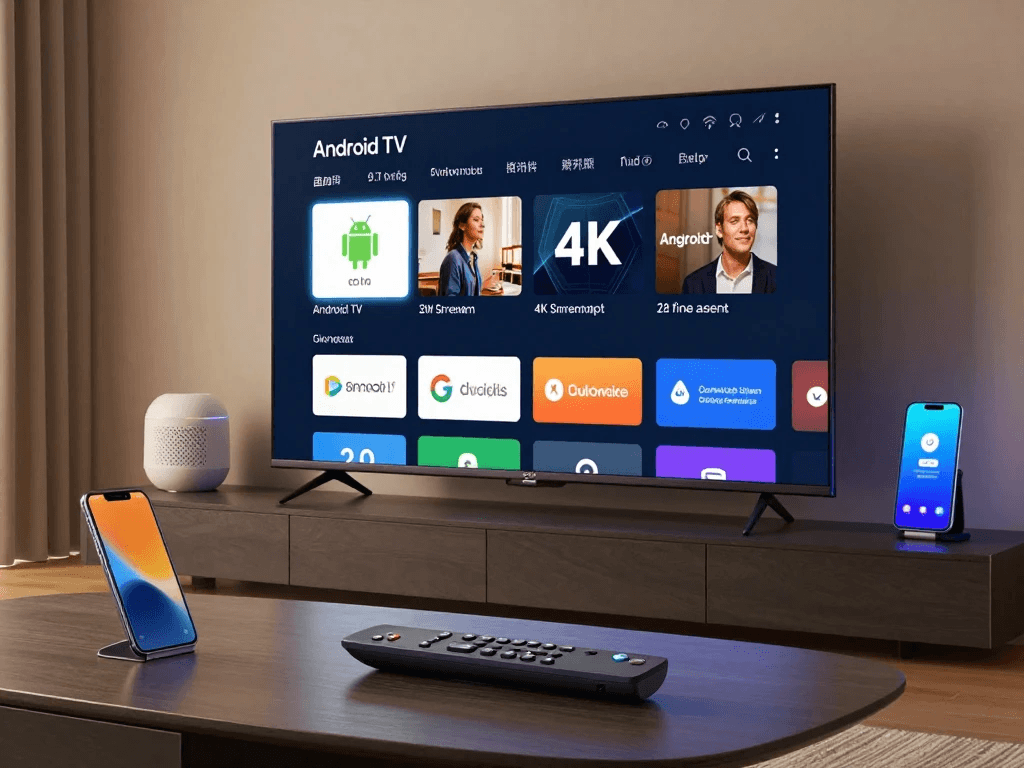
If multiple people in your household use the same television, creating separate profiles can improve the experience. Different users can receive their own recommendations, app preferences, and personalized content suggestions.
For example:
- Parents can maintain their own streaming recommendations.
- Children can access age-appropriate content.
- Guests can use temporary profiles.
Multiple profiles help prevent situations where one person’s viewing habits affect everyone else’s recommendations.
To manage users:
- Open Android TV settings.
- Select accounts or profiles.
- Add a new user.
- Follow the setup instructions.
This feature is especially useful for families where everyone enjoys different types of entertainment.
Updating Your Android TV Software
Installing System Updates
Before installing applications and customizing your television, it is recommended to check for software updates. Manufacturers regularly release updates that improve security, add features, and fix performance problems.
To check for updates:
- Open Settings.
- Select Device Preferences.
- Choose About.
- Select System Update.
Keeping your Android TV updated can improve:
- Device stability.
- App compatibility.
- Security protection.
- Streaming performance.
Many users skip software updates because their television appears to work normally. However, outdated software can eventually cause problems with newer applications and streaming services.
Initial Android TV Settings You Should Configure
After completing the basic setup, take a few minutes to adjust important settings.
Recommended Initial Settings Checklist
| Setting | Recommended Action |
|---|---|
| Software Updates | Enable automatic updates |
| Display Resolution | Select highest supported option |
| Time Zone | Confirm correct location |
| Language | Choose preferred language |
| Google Assistant | Enable if desired |
| Parental Controls | Configure if needed |
| Notifications | Customize preferences |
These small adjustments help create a smoother and more personalized experience from the beginning.
Preparing Android TV for the Best Streaming Experience
Your basic Android TV setup is now complete, but there are still several improvements you can make before enjoying your favorite content. The next stage involves optimizing picture quality, sound settings, applications, storage, and performance.
A properly configured Android TV does not just work — it delivers a better entertainment experience tailored to your viewing preferences.
In the next section, you will learn how to customize Android TV settings, improve picture and audio quality, manage storage, install essential apps, and unlock advanced features that make your television smarter.
Customizing Android TV Settings for Better Performance and Picture Quality
Completing the basic Android TV setup gets your device working, but customizing the settings is what transforms it into a truly personalized entertainment system. Many users leave their television with factory settings and never explore the available options. While default settings are designed to work for a wide range of viewers, they may not provide the best picture quality, sound experience, or overall performance for your specific room and viewing habits.
By adjusting display options, audio preferences, storage settings, and accessibility features, you can make your Android TV faster, easier to use, and more enjoyable. Whether you watch movies, sports, gaming content, or everyday television programs, a few simple adjustments can significantly improve your experience.
Adjusting Android TV Display Settings
Optimizing Picture Quality for Movies, Shows, and Gaming
One of the most important parts of your Android TV settings is display configuration. Your television may support advanced features such as 4K resolution, HDR, Dolby Vision, and enhanced refresh rates, but these features often need to be properly enabled.
To access display settings:
- Open the Settings menu.
- Select Display & Sound.
- Choose Picture Settings.
- Adjust options according to your preferences.
The best settings depend on your television model, room lighting, and the type of content you watch. A bright living room may require different settings compared with a dark home theater environment.
Choosing the Correct Resolution
Resolution determines the number of pixels displayed on your screen. Higher resolution generally provides sharper images, especially on larger televisions.
Common Android TV resolutions include:
| Resolution | Description | Best For |
|---|---|---|
| 720p HD | Basic high-definition quality | Smaller screens |
| 1080p Full HD | Clear picture quality | Standard streaming |
| 4K UHD | Four times the detail of Full HD | Modern TVs and premium streaming |
| 8K UHD | Extremely high resolution | Supported premium displays |
For most modern Android TVs in the United States, selecting the highest supported resolution is recommended. If your television supports 4K, make sure your streaming apps and HDMI connections are also compatible with 4K playback.
Understanding HDR Settings
HDR, or High Dynamic Range, improves contrast and color accuracy by allowing televisions to display brighter highlights and deeper shadows.
When enabled, HDR can improve:
- Movie realism.
- Color depth.
- Brightness levels.
- Gaming visuals.
Popular HDR formats include:
- HDR10.
- HDR10+.
- Dolby Vision.
However, HDR only works when all components support it, including:
- Your television.
- HDMI cable.
- Streaming device.
- Streaming service content.
For example, a 4K Android TV device connected to an older television may not display HDR content even if the streaming app supports it.
Recommended Android TV Picture Settings
Finding the Best Viewing Mode
Most Android TVs include several preset picture modes. These modes automatically adjust brightness, color, and contrast.
Common options include:
| Picture Mode | Recommended Use |
|---|---|
| Standard | Everyday television viewing |
| Cinema/Movie | Films and streaming content |
| Sports | Fast-moving action |
| Game | Console gaming |
| Vivid/Dynamic | Bright rooms and display areas |
For most movie and streaming viewers, the Cinema or Movie mode usually provides more natural colors. Vivid modes often appear impressive in stores but may produce unrealistic colors when watching content at home.
Adjusting Brightness and Contrast
Brightness and contrast settings affect how clearly you can see details.
Recommended adjustments:
- Increase brightness if your room has strong lighting.
- Reduce brightness in dark rooms to avoid eye strain.
- Adjust contrast until bright areas remain detailed.
- Avoid extreme settings that make images appear unnatural.
Your viewing environment matters significantly. A television placed near large windows may need different settings than one located in a basement or dedicated entertainment room.
Improving Android TV Sound Settings
Creating a Better Audio Experience
A great picture deserves equally impressive sound. During your Android TV setup, audio settings are often overlooked, but they can make a major difference in your entertainment experience.
Modern Android TVs support several audio technologies, including:
- Dolby Audio.
- Dolby Atmos.
- DTS sound formats.
- Surround sound systems.
To access audio settings:
- Open Settings.
- Select Display & Sound.
- Choose Audio Output.
- Select your preferred option.
Choosing Between TV Speakers and External Audio Systems
Built-in television speakers have improved over the years, but many users prefer external audio equipment for a more immersive experience.
Common audio options include:
| Audio Setup | Benefits |
|---|---|
| Built-in TV Speakers | Simple and convenient |
| Soundbar | Better clarity and stronger bass |
| Home Theater System | Full surround sound experience |
| Bluetooth Speakers | Wireless flexibility |
A soundbar is one of the easiest upgrades because it requires minimal installation while improving dialogue clarity and overall sound quality.
Setting Up HDMI ARC and eARC
If you use a soundbar or receiver, HDMI ARC (Audio Return Channel) or eARC can simplify your setup.
Benefits include:
- Fewer cables.
- Better audio quality.
- Easier volume control.
- Support for advanced audio formats.
To enable HDMI audio:
- Connect your sound system to the HDMI ARC/eARC port.
- Open Android TV settings.
- Select audio output.
- Enable HDMI audio options.
If sound does not work correctly, confirm that both your television and audio device support the same audio formats.
Managing Android TV Storage and Improving Speed
Keeping Your Android TV Fast and Responsive
Like smartphones and computers, Android TV devices can slow down when storage becomes full. Apps, temporary files, downloads, and cached data can gradually reduce performance.
A well-maintained Android TV will:
- Open apps faster.
- Reduce freezing.
- Improve navigation speed.
- Provide smoother streaming.
Regular maintenance should become part of your Android TV routine.
Checking Available Storage
To check storage:
- Open Settings.
- Select Device Preferences.
- Choose Storage.
Your available space depends on your device model. Some Android TV devices have limited internal storage, making management especially important.
Removing Unused Applications
Unused applications take up valuable storage space and may continue running background processes.
To uninstall apps:
- Open Settings.
- Select Apps.
- Choose the application.
- Select Uninstall.
Consider removing:
- Apps you no longer use.
- Duplicate streaming services.
- Trial applications.
- Large games you rarely play.
Keeping only the apps you regularly use helps your Android TV remain efficient.
Clearing App Cache
Cached files help apps load faster, but excessive cache buildup can sometimes create problems.
Common signs of cache-related issues include:
- Apps freezing.
- Slow loading.
- Random crashes.
- Storage warnings.
To clear cache:
- Go to Settings.
- Open Apps.
- Select the problem application.
- Choose Clear Cache.
Avoid repeatedly clearing all data unless necessary because it may remove saved preferences and account information.
Installing Essential Android TV Apps
Expanding Your Entertainment Options
One of the most exciting parts of your Android TV setup is installing applications. The Google Play Store gives you access to thousands of apps designed specifically for televisions.
To install apps:
- Open Google Play Store.
- Search for the desired application.
- Select Install.
- Open the app.
- Sign in if required.
Your ideal app collection depends on your interests, but most users benefit from installing a combination of streaming, music, utility, and entertainment applications.
Best Android TV Apps to Install
Streaming Applications
Streaming services are the primary reason many people purchase Android TV devices.
| Category | Popular Apps | Purpose |
|---|---|---|
| Movies and Shows | Netflix, Hulu, Disney+, Max | Entertainment streaming |
| Video Content | YouTube | Online videos and creators |
| Live TV | YouTube TV, Sling TV, Hulu + Live TV | Cable alternatives |
| Sports | ESPN, league-specific apps | Live games and highlights |
When installing streaming apps, remember that you need active subscriptions for most premium services.
Music and Audio Apps
Your Android TV can also become a home entertainment audio system.
Popular choices include:
| App Type | Examples |
|---|---|
| Music Streaming | Spotify, YouTube Music |
| Podcasts | Podcast applications |
| Radio | Internet radio apps |
Connecting your Android TV to a quality sound system can create a convenient music setup for your home.
Gaming Applications
Many Android TV devices support casual gaming. With a compatible Bluetooth controller, you can enjoy games directly on your television.
Gaming options include:
- Puzzle games.
- Racing games.
- Arcade titles.
- Cloud gaming services.
Before installing games, check your device storage and hardware capabilities because some demanding games require more powerful Android TV hardware.
Organizing Your Android TV Home Screen
Creating a Personalized Interface
After installing applications, organizing your home screen makes navigation much easier.
Android TV allows you to customize:
- App order.
- Recommended content.
- Channels.
- User preferences.
To rearrange apps:
- Highlight an application.
- Press and hold the selection button.
- Choose the move option.
- Place the app where you want it.
A good organization strategy is placing frequently used apps at the beginning of your app row.
For example:
- YouTube.
- Netflix.
- Prime Video.
- Disney+.
- Music apps.
This reduces the time you spend searching every time you turn on your television.
Setting Up Parental Controls on Android TV
Creating a Safer Viewing Environment
Families often share Android TV devices, making parental controls an important part of the setup process. These features allow parents to manage content access and create safer viewing experiences for children.
Depending on your device and apps, parental controls may allow you to:
- Restrict certain content.
- Create child profiles.
- Limit purchases.
- Control app access.
Recommended family settings include:
- Enable purchase authentication.
- Review installed apps.
- Create separate child accounts.
- Use age-based content restrictions.
This ensures that children can enjoy entertainment without accidentally accessing inappropriate content.
Using Android TV Accessibility Features
Making Your Television Easier to Use
Android TV includes accessibility options designed to make navigation easier for different users.
Available features may include:
- Closed captions.
- Text-to-speech support.
- Larger text options.
- High contrast settings.
- Audio descriptions.
To access accessibility settings:
- Open Settings.
- Select Accessibility.
- Choose available options.
These features make Android TV more convenient for users with different viewing needs.
Preparing Android TV for Advanced Features
After customizing your display, sound, storage, and applications, your Android TV is ready for a more advanced setup. Features such as screen casting, smart home integration, external storage, and gaming accessories can further improve your experience.
A properly optimized Android TV should feel fast, personalized, and easy to control. The next step is learning how to improve streaming quality, reduce buffering, and use advanced features that unlock the full potential of your device.
Setting Up Google Assistant on Android TV
Unlocking Hands-Free Control With Voice Commands
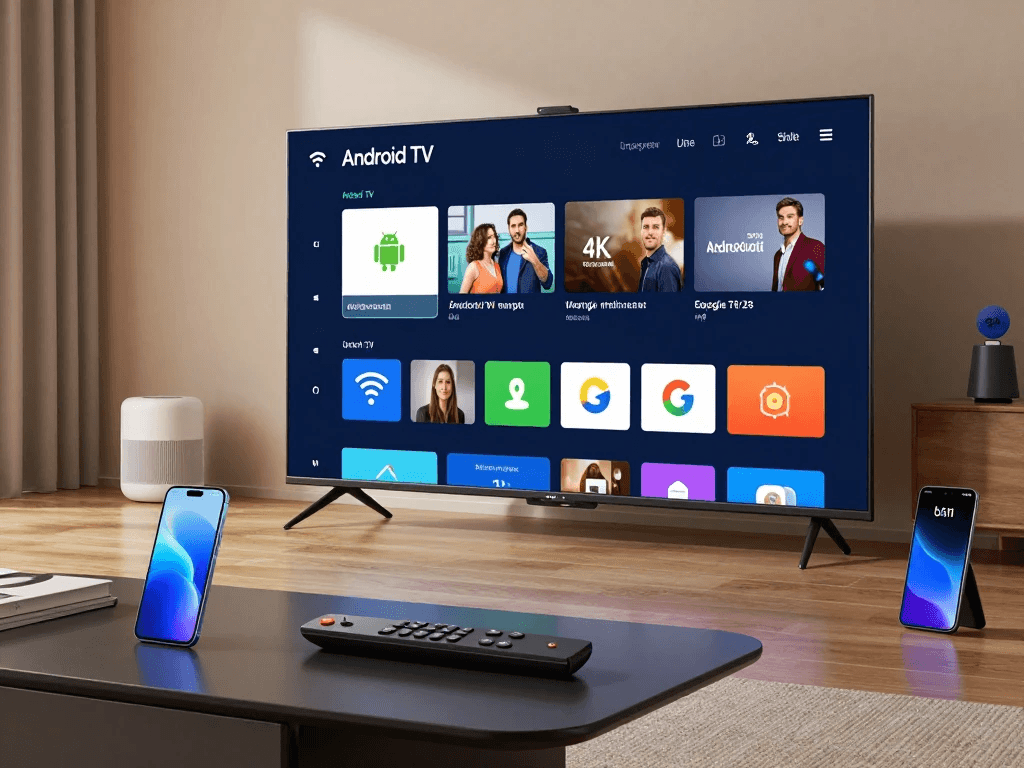
One of the most useful features you can activate after completing your Android TV setup is Google Assistant. Instead of typing searches with your remote control, you can simply speak commands and let your television respond instantly. This feature makes navigating your Android TV faster, especially when searching for specific movies, launching applications, checking information, or controlling compatible smart home devices.
Google Assistant is built into many Android TV devices and can be accessed through the microphone button on your remote. Once enabled, it allows you to interact with your television naturally, making your entertainment experience more convenient and personalized.
Whether you want to find a new movie, adjust settings, or control your connected devices, voice commands can reduce the time you spend navigating menus and improve the overall usability of your Android TV.
How to Enable Google Assistant During Android TV Setup
Activating Voice Control Step by Step
Setting up Google Assistant is usually part of the initial Android TV installation process. However, if you skipped this step or want to enable it later, you can activate it through your device settings.
Follow these steps:
- Open the Settings menu.
- Select Google Assistant.
- Enable Assistant access.
- Allow microphone permissions.
- Press the microphone button on your remote.
- Test a voice command.
Once activated, your Android TV will listen for your requests whenever you press the microphone button.
Some newer Android TV models also support hands-free voice activation, allowing you to say phrases like “Hey Google” without touching the remote. This feature depends on your specific television model and microphone hardware.
Useful Google Assistant Commands for Android TV
Making Navigation Faster With Voice Search
Google Assistant can perform many tasks that would normally require multiple remote clicks. Instead of manually searching through menus, you can simply ask your Android TV to complete an action.
Examples of useful commands include:
Entertainment Commands
- “Play action movies.”
- “Open Netflix.”
- “Find comedy shows.”
- “Show movies with Tom Hanks.”
- “Play music on Spotify.”
Information Commands
- “What is the weather today?”
- “What time is it?”
- “Show me the latest news.”
- “Search for cooking videos.”
Device Commands
- “Turn up the volume.”
- “Switch HDMI input.”
- “Open settings.”
These commands are especially helpful for users who prefer a simpler interface or have difficulty typing with a remote control.
Connecting Android TV With Smart Home Devices
Creating a Connected Entertainment System
One of the biggest advantages of Android TV is its ability to work with other smart devices. When connected through Google Home, your television can become part of your smart home ecosystem.
Compatible devices may include:
- Smart lights.
- Smart speakers.
- Smart thermostats.
- Security cameras.
- Smart plugs.
For example, you could dim your smart lights before starting a movie or check your security camera feed without leaving your couch.
To connect smart devices:
- Open the Google Home app on your smartphone.
- Add your smart device.
- Connect it to the same Google account.
- Link it with your Android TV.
Once connected, Google Assistant can help control multiple devices from one place.
Android TV Setup for Better Streaming Quality
Improving Speed, Stability, and Video Performance
A successful Android TV setup is not complete until your streaming experience is optimized. Even powerful Android TV devices can experience buffering or reduced picture quality if network settings, hardware connections, or software configurations are not properly adjusted.
Streaming quality depends on several factors:
- Internet speed.
- Wi-Fi signal strength.
- Device performance.
- App settings.
- Video format compatibility.
By optimizing these areas, you can enjoy smoother playback and reduce interruptions while watching your favorite content.
Checking Your Internet Speed for Android TV Streaming
Understanding Bandwidth Requirements
Your internet connection plays one of the biggest roles in streaming performance. Different video qualities require different amounts of bandwidth.
| Streaming Quality | Recommended Internet Speed |
|---|---|
| Standard Definition (SD) | 3 Mbps or higher |
| High Definition (HD) | 5 Mbps or higher |
| Full HD (1080p) | 8 Mbps or higher |
| 4K Ultra HD | 15–25 Mbps or higher |
These recommendations can vary depending on the streaming platform and the number of devices connected to your network.
For example, a household with multiple people streaming videos, playing online games, or using video calls may need faster internet speeds than a single-user household.
Reducing Android TV Buffering Problems
Common Causes of Streaming Interruptions
Buffering can quickly ruin your viewing experience. If your Android TV constantly pauses or lowers video quality, the problem may not be the television itself.
Common causes include:
- Weak Wi-Fi signal.
- Too many connected devices.
- Outdated router hardware.
- Background app activity.
- Poor device placement.
Solutions to Improve Streaming Performance
Try these solutions:
Move Your Router Closer
Distance and physical obstacles can weaken Wi-Fi signals. If possible, place your router in the same room as your Android TV.
Use an Ethernet Connection
A wired Ethernet connection provides a stable internet connection and is often the best option for:
- 4K streaming.
- Live sports.
- Cloud gaming.
- Large downloads.
Restart Your Network Equipment
Restarting your router can resolve temporary connection issues.
Steps:
- Turn off your router.
- Wait 30 seconds.
- Turn it back on.
- Wait for the connection to return.
Limit Background Usage
Other devices using your internet connection can reduce available bandwidth. Pause large downloads or unnecessary streaming activity when watching high-quality content.
Improving 4K Streaming on Android TV
Getting the Best Ultra HD Experience
Many users purchase Android TV devices specifically for 4K entertainment. However, achieving true 4K quality requires compatibility between your television, internet connection, apps, and hardware.
For reliable 4K streaming, check:
- Your TV supports 4K resolution.
- Your Android TV device supports 4K output.
- Your HDMI cable supports required bandwidth.
- Your streaming subscription includes 4K content.
- Your internet connection meets recommended speeds.
Choosing the Right HDMI Settings for 4K
Enabling Enhanced HDMI Features
Some televisions require you to manually enable advanced HDMI settings before receiving the highest quality signal.
Look for settings such as:
- HDMI Enhanced Mode.
- UHD Color.
- Deep Color.
- Advanced HDMI Format.
The exact name depends on your television manufacturer.
Without enabling these settings, your Android TV may display content at a lower resolution even when your hardware supports 4K.
Android TV Gaming Setup Tips
Optimizing Your TV for Gaming
Android TV is not only for movies and streaming. Many devices support gaming features, especially when paired with Bluetooth controllers or cloud gaming services.
To improve gaming performance:
- Enable Game Mode on your television.
- Reduce input lag.
- Use a wired internet connection when possible.
- Connect a compatible Bluetooth controller.
- Keep your device software updated.
Game Mode reduces unnecessary picture processing, helping your television respond faster to controller inputs.
Troubleshooting Common Android TV Setup Problems
Fixing Issues After Installation
Even with careful preparation, you may encounter problems after completing your Android TV setup. Most issues are simple to resolve and do not require professional assistance.
Understanding common problems and solutions can save time and help you get back to enjoying your entertainment quickly.
Android TV Won’t Connect to Wi-Fi
Possible Causes and Solutions
If your Android TV cannot connect to the internet, check the following:
Solution Checklist:
- Confirm your Wi-Fi password.
- Restart your router.
- Restart your Android TV.
- Move your router closer.
- Forget and reconnect to the network.
- Check whether other devices can access the internet.
If other devices also cannot connect, the problem is likely related to your internet connection rather than your Android TV.
Android TV Remote Not Working
Fixing Remote Connection Issues
A malfunctioning remote is one of the most common setup problems.
Try these fixes:
- Replace the batteries.
- Restart your Android TV.
- Re-pair the remote.
- Remove nearby Bluetooth interference.
- Check for software updates.
If your remote still does not work, some Android TV devices allow you to use a smartphone remote application as a temporary replacement.
Android TV Apps Freezing or Crashing
Improving Application Performance
Apps may freeze because of:
- Low storage space.
- Outdated software.
- Corrupted cache files.
- Poor internet connection.
Try:
- Clearing app cache.
- Updating the application.
- Restarting your device.
- Reinstalling the app.
Keeping your apps updated ensures compatibility with the latest Android TV software.
Android TV Has No Sound
Checking Audio Problems
If your television displays video but produces no sound, check:
- Volume settings.
- Mute status.
- Audio output selection.
- HDMI connections.
- Soundbar settings.
For external audio devices:
- Confirm the sound system is powered on.
- Check HDMI ARC connections.
- Select the correct audio output.
Android TV Running Slowly
Improving Device Performance
A slow Android TV experience is usually caused by limited storage, too many applications, or outdated software.
Improve speed by:
- Removing unused apps.
- Restarting your device regularly.
- Installing updates.
- Clearing unnecessary cache.
- Avoiding too many background processes.
A simple restart can often solve temporary performance issues.
Advanced Android TV Setup Features
Unlocking More Possibilities
Once your basic configuration is complete, Android TV offers several advanced features that can make your entertainment system even more powerful.
These features allow you to customize your viewing experience, connect additional devices, and use your television in new ways.
Using Screen Casting With Android TV
Streaming Content From Your Phone
Screen casting allows you to display content from your smartphone or tablet directly on your television.
You can cast:
- Photos.
- Videos.
- Presentations.
- Websites.
- Music.
To cast content:
- Connect your phone and Android TV to the same Wi-Fi network.
- Open a compatible app.
- Select the Cast icon.
- Choose your Android TV device.
This feature is useful when you want to share personal photos, watch mobile-only content, or display information on a larger screen.
Connecting Bluetooth Accessories
Expanding Your Android TV Experience
Android TV supports many Bluetooth accessories, including:
- Wireless headphones.
- Game controllers.
- Keyboards.
- Speakers.
To connect a device:
- Open Settings.
- Select Remotes & Accessories.
- Choose Add Accessory.
- Select your Bluetooth device.
Wireless accessories can make your Android TV more convenient, especially for gaming and private listening.
Using External Storage With Android TV
Expanding Available Space
Some Android TV devices have limited internal storage. External storage can help you install more applications or store additional files.
Compatible storage options may include:
- USB flash drives.
- External hard drives.
- Memory devices.
Before purchasing external storage, confirm compatibility with your specific Android TV model.
Maintaining Your Android TV for Long-Term Performance
Keeping Your Android TV Fast, Secure, and Reliable
Completing your Android TV setup is only the beginning of your smart entertainment journey. Like any connected device, your Android TV requires regular maintenance to continue performing at its best. Over time, unused applications, outdated software, temporary files, and network issues can affect speed and reliability.
A few simple maintenance habits can help extend the life of your device while ensuring smoother streaming, faster app loading, and fewer technical problems. Whether you use Android TV every day for movies and shows or occasionally for entertainment, keeping your system optimized will improve your overall experience.
Regular maintenance does not require advanced technical knowledge. Most improvements can be completed through simple settings adjustments, software updates, and occasional cleanup. By following these practices, your Android TV can continue delivering high-quality entertainment for years.
Updating Android TV Software Regularly
Why System Updates Matter
Software updates are an important part of maintaining your Android TV. Manufacturers release updates to improve security, fix bugs, enhance compatibility, and sometimes introduce new features.
Many users ignore updates because their television continues working normally. However, outdated software can eventually create problems such as:
- Apps becoming incompatible.
- Slower performance.
- Security vulnerabilities.
- Streaming issues.
- Remote control problems.
Keeping your Android TV updated ensures that your device remains compatible with newer applications and streaming services.
How to Check for Android TV Updates
To manually check for updates:
- Open Settings.
- Select Device Preferences.
- Choose About.
- Select System Update.
- Install available updates.
Depending on your television manufacturer, menu names may be slightly different. Some devices automatically download updates when connected to Wi-Fi.
For the best experience, enable automatic updates whenever possible. This allows your Android TV to receive important improvements without requiring manual checks.
Managing Android TV Applications
Keeping Your App Library Organized
Over time, your Android TV can collect many applications that you rarely use. Although installing apps is one of the best features of Android TV, too many unused applications can reduce available storage and affect performance.
A clean app library helps your television:
- Start faster.
- Use less storage.
- Reduce background activity.
- Run applications more smoothly.
Review your installed applications every few months and remove anything you no longer need.
How to Uninstall Unused Apps
To remove applications:
- Open Settings.
- Select Apps.
- Choose the application you want to remove.
- Select Uninstall.
- Confirm your choice.
You can also remove apps directly from the Google Play Store:
- Open Google Play Store.
- Find the installed application.
- Select Uninstall.
Keeping only essential apps makes your Android TV home screen easier to navigate.
Clearing Android TV Cache and Temporary Files
Improving Speed and Fixing App Problems
Cache files help applications load faster, but excessive temporary data can sometimes create performance problems. If an application becomes slow, freezes, or crashes repeatedly, clearing its cache may solve the issue.
Common signs that cache cleanup may help include:
- Apps taking too long to open.
- Videos freezing.
- Menus responding slowly.
- Storage warnings appearing.
To clear an app cache:
- Go to Settings.
- Select Apps.
- Choose the affected application.
- Select Clear Cache.
Avoid clearing application data unless necessary because this may remove saved preferences and require you to sign in again.
Protecting Your Android TV Privacy and Security
Keeping Your Smart TV Safe
Because Android TV connects to the internet, security should be an important part of your setup. Your television may store account information, streaming subscriptions, and personal preferences.
Taking a few security precautions helps protect your information.
Recommended security practices include:
- Use a strong Google account password.
- Enable two-step verification.
- Install official apps only.
- Avoid suspicious third-party downloads.
- Keep system software updated.
Your Android TV is connected to your digital life, so protecting it is just as important as protecting your smartphone or computer.
Managing Android TV Permissions
Controlling App Access
Many applications request permissions to access information or device features. While some permissions are necessary, others may not be required for the app to function.
Review permissions regularly:
- Open Settings.
- Select Apps.
- Choose an application.
- Review available permissions.
Examples of permissions include:
| Permission Type | Purpose |
|---|---|
| Microphone | Voice search features |
| Storage | Saving files and media |
| Location | Personalized services |
| Network Access | Streaming and online features |
Only allow permissions that make sense for the application’s purpose.
Improving Android TV Energy Efficiency
Reducing Power Usage
Although Android TVs are designed to be energy efficient, adjusting a few settings can help reduce electricity use.
Energy-saving tips include:
- Turn off the television completely when not in use.
- Reduce screen brightness.
- Enable automatic sleep settings.
- Disable unnecessary features.
To adjust sleep settings:
- Open Settings.
- Select Device Preferences.
- Choose Screen Saver or Power Settings.
- Adjust the timeout period.
These small changes can reduce energy consumption while maintaining a comfortable viewing experience.
Expert Android TV Setup Tips for Advanced Users
Taking Your Experience to the Next Level
Once you understand the basics of Android TV setup, you can explore advanced options that provide greater customization and control. These features are especially useful for users who want a more personalized entertainment system.
Advanced Android TV improvements include:
- Custom launchers.
- Network optimization.
- Developer settings.
- External accessories.
- Smart home automation.
These options are not required for everyday use, but they can significantly enhance your experience if you enjoy customizing technology.
Using Custom Android TV Launchers
Personalizing Your Home Screen
Android TV launchers control how your home screen looks and functions. While the default launcher works well for most users, some people prefer alternative launchers with additional customization options.
Custom launchers may allow you to:
- Remove unwanted recommendations.
- Create a cleaner interface.
- Organize apps differently.
- Improve navigation speed.
Before installing any launcher, make sure it comes from a trusted source and has positive user reviews.
Enabling Developer Options on Android TV
Accessing Advanced Settings
Android TV includes developer options designed mainly for advanced users and developers. These settings provide additional control over system behavior.
To enable developer options:
- Open Settings.
- Select Device Preferences.
- Choose About.
- Find Build Number.
- Click several times until developer mode activates.
Developer settings may include options related to:
- App testing.
- Performance monitoring.
- Debugging.
These settings should be changed carefully because incorrect configurations can affect system behavior.
Improving Android TV Network Performance
Creating a More Reliable Streaming Connection
For users who frequently stream 4K movies, watch live sports, or use cloud gaming services, network optimization can make a noticeable difference.
Advanced network improvements include:
- Using Ethernet instead of Wi-Fi.
- Upgrading an older router.
- Creating a dedicated streaming network.
- Placing your router strategically.
A stable connection is often more important than having extremely high internet speeds. Consistency prevents interruptions and creates a smoother viewing experience.
Connecting Gaming Accessories to Android TV
Turning Your TV Into a Gaming Center
Many Android TV devices support gaming accessories, allowing you to enjoy games without a separate console.
Compatible accessories may include:
- Bluetooth controllers.
- Wireless keyboards.
- Gaming headsets.
- External storage devices.
Before purchasing accessories, check your Android TV model for compatibility.
Gaming performance depends on:
- Processor power.
- Available storage.
- Internet connection.
- Controller quality.
A properly configured Android TV can provide an enjoyable gaming experience for casual players.
Android TV Setup Troubleshooting: Advanced Solutions
Fixing Persistent Problems
Most Android TV problems can be solved with basic troubleshooting, but some issues require more advanced solutions.
Factory Resetting Android TV
When a Reset Is Necessary
A factory reset should be considered a last option. It removes all personal settings, accounts, applications, and saved preferences.
You may need a factory reset if:
- Your Android TV constantly crashes.
- Settings become corrupted.
- Apps repeatedly fail.
- You are selling the device.
Before resetting:
- Save important account information.
- Note installed apps.
- Confirm you remember your Google account details.
To reset:
- Open Settings.
- Select Device Preferences.
- Choose Reset.
- Confirm factory reset.
After resetting, you will need to complete the entire Android TV setup process again.
Android TV Setup Frequently Asked Questions (FAQ)
What Is the Easiest Way to Complete an Android TV Setup?
The easiest way to complete an Android TV setup is to follow the guided instructions displayed when you first turn on your device. Connect your hardware, pair the remote, connect to Wi-Fi, sign in with your Google account, and install your favorite applications.
Most users can complete the basic setup process within 10 to 30 minutes. The exact time depends on internet speed, software updates, and the number of apps you choose to install.
Taking time to adjust picture, sound, and privacy settings after installation will help you get a better long-term experience.
Do You Need a Google Account for Android TV Setup?
A Google account is strongly recommended because it unlocks the full Android TV experience. Without an account, you may have limited access to applications, personalization features, and Google services.
With a Google account, you can:
- Download apps.
- Use Google Assistant.
- Sync preferences.
- Manage subscriptions.
- Access personalized recommendations.
If your household has multiple users, separate Google accounts can help maintain individual preferences and recommendations.
How Long Does Android TV Setup Take?
A typical Android TV setup takes between 10 and 30 minutes. However, the total time can vary depending on several factors:
- Internet speed.
- Device model.
- Software updates.
- Number of applications installed.
- Personal customization.
A simple setup may be completed quickly, while a complete configuration with app installation, picture adjustments, and smart home connections may take longer.
Why Is My Android TV Setup Not Connecting to Wi-Fi?
If your Android TV cannot connect to Wi-Fi, check these common solutions:
- Verify your password.
- Restart your router.
- Restart your television.
- Move the router closer.
- Check whether other devices can access the internet.
- Update your Android TV software.
If the issue continues, your router settings or internet provider may need additional troubleshooting.
Can You Install Apps After Completing Android TV Setup?
Yes. Installing apps after completing your Android TV setup is one of the platform’s biggest advantages.
You can download apps anytime through the Google Play Store.
Popular categories include:
- Streaming services.
- Music platforms.
- Games.
- Utility tools.
- Educational applications.
You can also uninstall apps whenever you want to free up storage space.
Conclusion: Enjoy the Full Power of Your Android TV Experience
A successful Android TV setup does more than simply connect your television to the internet. It creates a personalized entertainment system designed around your preferences, viewing habits, and lifestyle. From streaming your favorite shows and controlling your smart home devices to enjoying 4K movies and voice-controlled searches, Android TV provides a powerful combination of convenience and flexibility.
By following the steps in this guide, you can confidently install your device, optimize performance, improve picture and sound quality, troubleshoot common issues, and unlock advanced features. Regular maintenance, software updates, and smart configuration choices will help your Android TV continue performing at its best.
Your television is no longer just a screen — it is a complete entertainment hub. Take the time to customize your settings, explore new features, and create an experience that works perfectly for you.